Case Study · Negative Waterproofing
Hillside apartment planter box — negative waterproofing over a 200-tonne soil-removal quote.
A 20-year-old planter box on a large hillside apartment complex had broken down, leaking into the downstairs storage spaces. We delivered a negative-side solution — PU injection and a hydrostatic epoxy membrane — alongside targeted garden-box stabilisation, in four days instead of weeks of disruption.
The building
A large apartment complex built on a hill. The garden boxes above the storage spaces were 20 years old. Decades of root growth and use had broken down the original waterproofing membrane, and water was tracking through the slab into the storage spaces and common areas below.
The problem
The membrane failure was broad — not a single joint or crack, but a general breakdown across the planter base. Water was entering the downstairs storage spaces whenever it rained. The strata committee needed it stopped, but the obvious fix came with a serious cost.
The quote that didn't stack up
The conventional approach is positive-side waterproofing: empty the planter boxes, reinstate the membrane from above, and reinstate the soil. On this job that meant moving roughly 200 tonne of soil. For a storage space below, the committee couldn't justify the labour, machinery and disruption — shutting the road, knocking down walls, weeks of heavy machinery and noise. It wasn't viable.
The proposal
We proposed a negative-side solution instead: seal the leak from inside the storage spaces with polyurethane injection and a hydrostatic epoxy membrane, and address the water travelling through the garden box above with targeted stabilisation. No 200-tonne soil removal, no road closure, no heavy machinery for weeks.
The top side — garden box
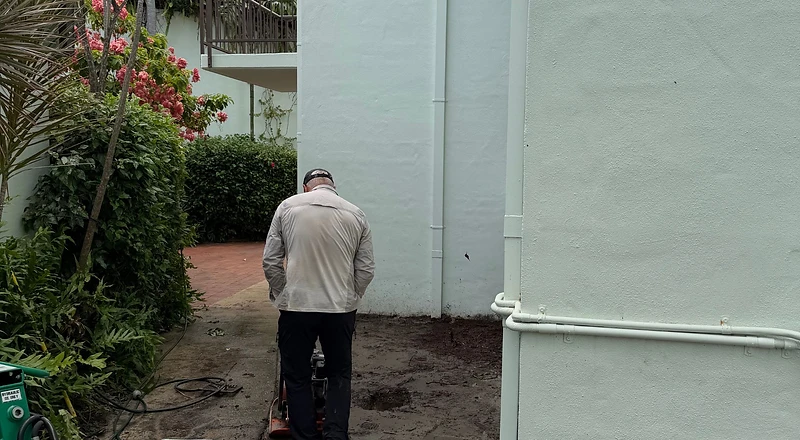
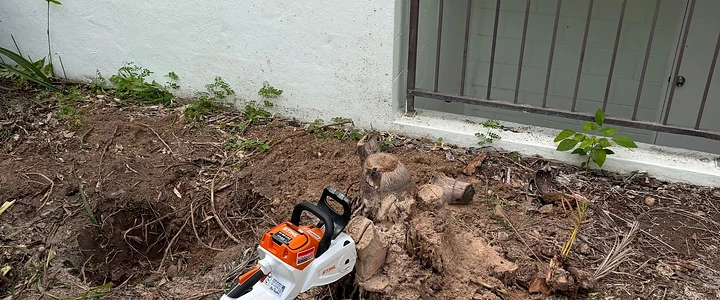
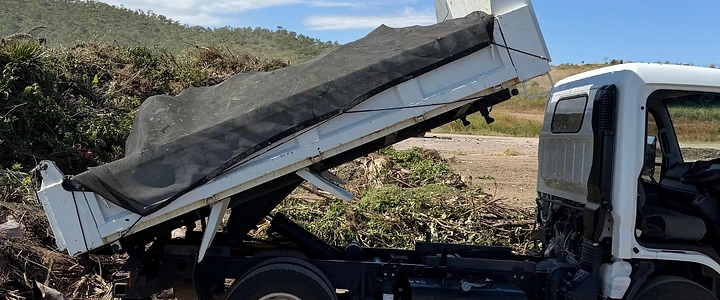
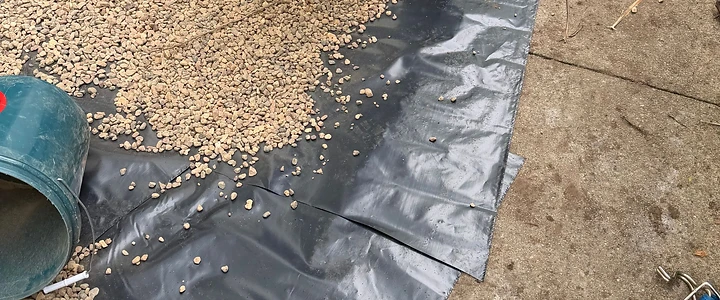
We cut out all the trees and removed them from site. A rotary hoe cleared the root mass from the top layer of soil, then we screeded falls to the pit drains so water would move off rather than pond. We went back through with the rotary hoe and laid dry cement to stabilise the substrate, compacted the entire area, and created a solid barrier for water to traverse across. Once compacted, we lined the substrate with builders plastic, double-wrapped, and placed roughly 5 tonne of rock on top. Access was tight — no machinery could reach the area, so everything was cut and moved by hand. The top side was completed within a week.



The negative side — storage spaces
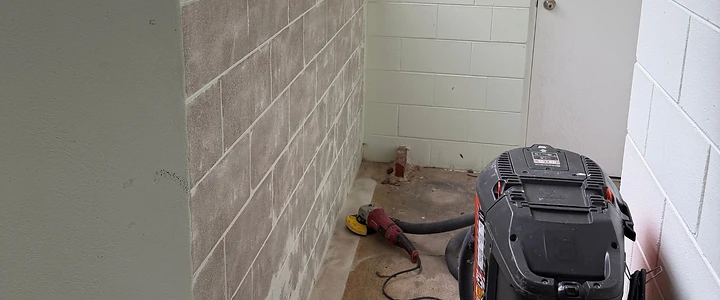
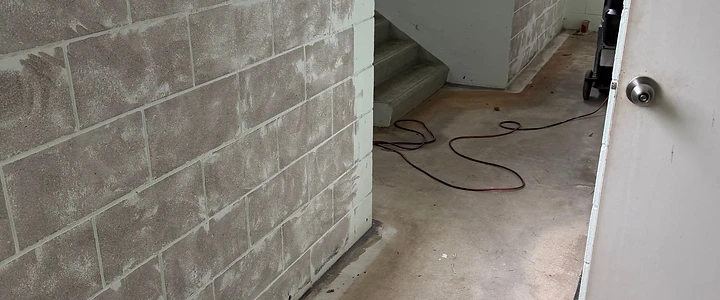
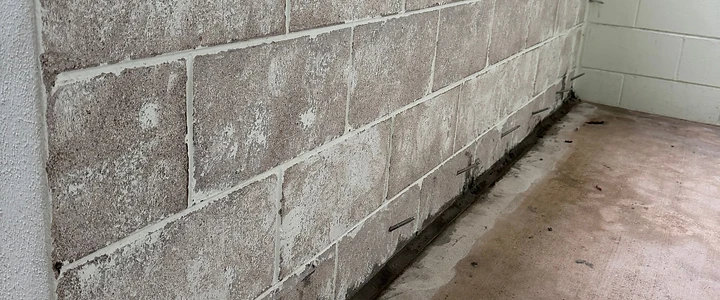
Below, we carried out polyurethane injection to approximately 33 linear metres across the storage spaces and common areas, sealing the leak paths at the source. We ground the substrate down with a diamond grinder and H-class vacuum, then installed an epoxy coving. The system is a three-coat hydrostatic epoxy membrane — prone to cracking at junctions, which is why the coving is critical: it creates a smooth transition between wall and floor so there's no sharp corner for the membrane to fail at. The injection stops the leak; the hydrostatic membrane is the extra barrier of protection, working alongside the stabilisation above.




The result
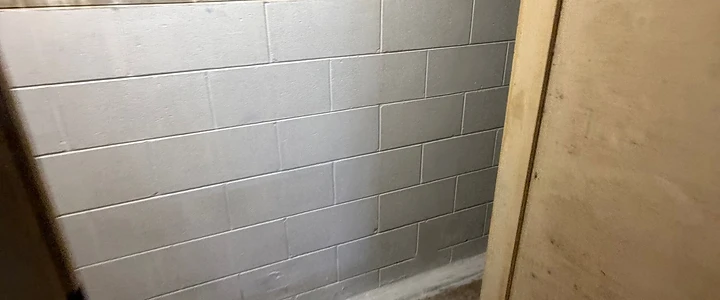
The storage spaces are dry, and the garden box above is stabilised and draining. The whole negative-side package was completed in four days — against the weeks of disruption and heavy machinery a full positive-side job would have required. The strata committee got a long-lasting solution without the labour cost and building disruption of moving 200 tonne of soil.
Planter box leaking into the building?
If a full soil removal quote isn't viable, a negative-side approach may be. Send us the details and we'll assess both options.
0431 522 689